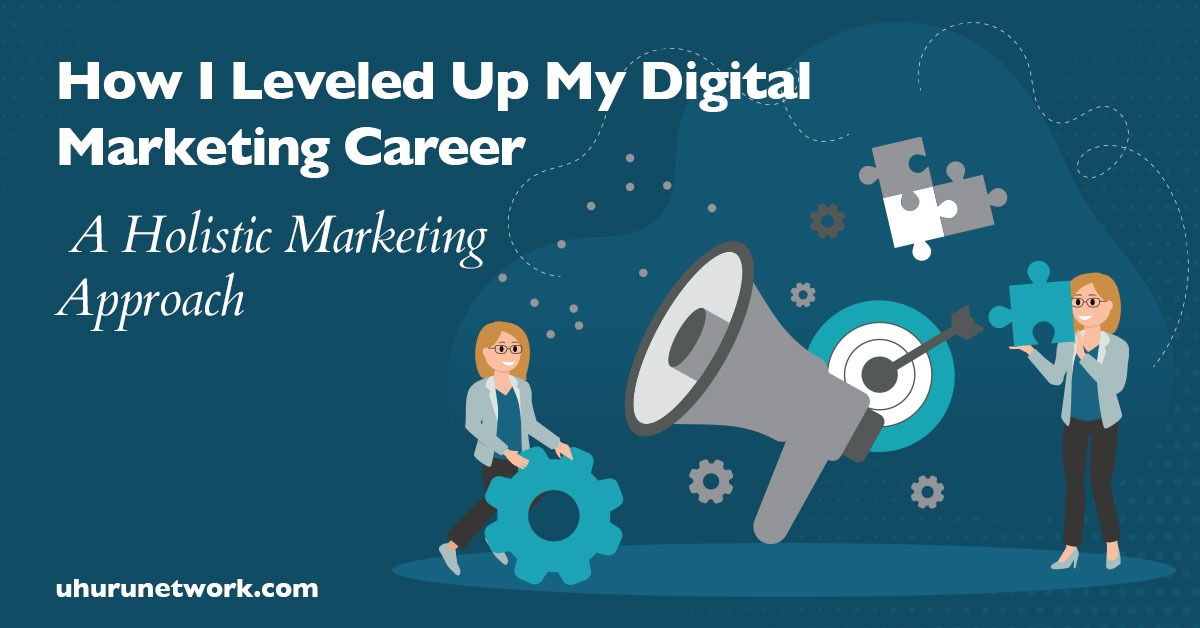
Those of us who have ventured into a digital marketing career know one thing to be true — the industry will always be changing faster than we can keep up with it. In the time I’ve been with Uhuru, entire industries have moved online, Google and Apple are fundamentally changing how we track user data, and people are consuming more online media than ever before. And in those same fifteen months, the skills I’ve gained have completely changed my approach to what I do — and how I’m building my dream career.
Imagining a Digital Marketing Career
Most marketers I know ended up in this industry picturing a very specific career path. You imagine leading Very Important Meetings™, wearing fabulous clothes, living in an incredible loft in New York or Chicago, and being too busy for anything but deadlines and important events. “The Devil Wears Prada” came out the summer I graduated high school, and while I didn’t aspire to Miranda Priestly’s cutthroat nature, I definitely empathized with her motivations. I wanted to be important, respected, and powerful. I didn’t know exactly what I was striving for, but I knew it had to be big. Easy, right?
Fast forward fifteen years, and I’m not living in a big city. I wear a lot of athleisure (like most remote workers), I’m a wife and mom, and I only work after 5 p.m. because I have the flexibility to work whenever I want. But I am leading important meetings, doing incredible work, and learning new things every day — and my definition of a successful digital marketing career looks totally different as a result.
Getting Tough, Early Lessons
When I graduated college, I had a degree in public relations with a minor in business. The most experience I could boast was a part-time internship for a local agency, where I’d spent most of my time writing term papers and never even speaking to clients. Digital marketing was still in its infancy, “inbound marketing” was just coming to life, and the infamous Google Panda update was still more than a year away. But I eventually found an entry-level job as a marketing coordinator.
Despite being wildly unqualified, the first six months were great. I was a solid writer, and even though I couldn’t have told you back then what was marketing versus public relations versus advertising, I helped the company navigate a rebranding project — complete with a shiny new website, updated brochures, a self-designed product book, and expensive trade show displays. This is marketing! I thought. I can totally do this.
After that, however, I didn’t know what to do next. The extent of my knowledge was branding and sending out press releases — I’d never learned how to generate new leads. I thought that was the sales team’s responsibility, not mine. I tried to figure it out, but ultimately I didn’t have the experience to even know where to start. I struggled through for another year or so after that and then we parted ways.
Falling in Love With Ads
My next job was at a local TV station. My undergraduate program was in the journalism school, and I’d always loved the news, so I jumped at the chance. Instead of working in the newsroom, I became part of the local sales team. I was young, I was a millennial, and I’d needed a .edu email to get my Facebook account — all perfect qualifications for a digital marketer, right?
Turns out, that was the job that really started my digital marketing career. I learned about website analytics, got more comfortable with HTML, and helped the station launch its first news app. When we started offering digital agency services, I had to learn on the fly about paid search, Facebook ads, and how to create content that provided value instead of trying to sell a product.
I was absolutely hooked — especially with paid ad campaigns. I loved getting to help small businesses in my community, I loved getting to be an “expert” without a sales quota, and the people I worked with were incredible. I soaked up all the knowledge I could and translated that experience into several similar jobs over the course of the next few years. I was convinced that my ability to understand how to target different audiences on different platforms meant I had learned all I needed to know. I was certain that anyone not focused on paid advertising was failing their clients.
Eventually, though, I realized I’d missed the forest for the trees. While I was focused only on paid channels, the wider digital marketing industry had exploded, fueled by a base level of knowledge that I’d missed out on in college and my first jobs.
I had entirely missed the growth of organic, inbound marketing as search engines got smarter. There were people my own age being lauded as experts using tactics I’d never heard of. Agencies were posting entry-level job descriptions that made no sense to me. I was totally lost.
Burning Out, Fast
If I’m being honest, I had become a little jaded with my paid-only focus. My tactics weren’t as magical as they’d been before. A million new “marketers” were cropping up everywhere, promising huge returns from tactics that would get their clients blacklisted on every platform. Businesses were asking for data we couldn’t provide. I was exhausted from constantly explaining why geofencing people as they walked through a parking lot wasn’t a viable strategy.
My digital marketing career was burning out. I couldn’t have another conversation with a client about how their Facebook ad won’t convert if it sends people to a terrible website. I found myself in a world of generic ad content, with clients who wanted to attribute every single penny of their media spend to a new sale, and in an industry that by its very nature wanted nothing to do with the customer experience.
I also didn’t trust the promises I was hearing about inbound marketing, because the clients I worked with wanted immediate results. The most I knew about SEO was wildly out of date and I struggled to position its value. The tactics I knew were still just tiny pieces of this huge puzzle I didn’t understand. I just wanted to provide value and help people solve problems, but everything I read talked about optimizing for search engines, not people. And weren’t blogs just for influencers and personal stories?
There were several months where I considered leaving the industry altogether. There was this huge secret I couldn’t figure out, and suddenly my paid-only tactics felt wasteful. I wanted to dig into my clients’ analytics and figure out what triggered one user to fill out a form and another to immediately leave — but I struggled to connect that with my clients’ KPIs. I wanted to feel good about the work I was doing. I wanted to help provide value and build trust before asking a user to spend money. I wanted to do more.
Inbound Marketing 101
Before I gave up on a digital marketing career for good, I decided to go back to the strategy that helped me get started — intense curiosity. I set aside my ego, started at the very beginning, and typed “what is inbound marketing” into Google. I learned about Neil Patel, Gary Vaynerchuk, and Seth Godin. I discovered incredible blogs and explored tools like Moz, HubSpot, and Buffer. I dove further into Google Analytics and began to incorporate what I was learning into the strategies I built for my clients. I reactivated my long-defunct LinkedIn account and reconnected with the rest of the industry.
Over the next year or so, I soaked up every bit of information I could, without being able to really execute on what I was learning. There were attempts, certainly -— half-hearted blogs without a real strategy in place and keyword research that didn’t translate well into a paid campaign. I even worked with a client who had a long sales process and needed to nurture their leads — and my minimal, CTA-focused landing page that was supposed to make their Facebook ads more effective didn’t get a single conversion in our test market. I could tell you now exactly why those campaigns didn’t work, but at the time they just left me frustrated with a massive case of imposter syndrome.
I was still with a strictly ads-focused agency, and my clients were hesitant to trust recommendations that weren’t specifically about their paid strategies. I was so close to being able to have the digital marketing career I really wanted, but I couldn’t figure out how to make the leap.
I knew it was time to find a new job — somewhere I could demonstrate the expertise I had but still learn from other experts, too. But I’d been working for the same people in some form or another for more than five years, and job searching within my immediate network was risky. I’d have to start fresh.
Taking a Chance
Several weeks and several resumes went out without much success. My resume was certainly strong, but my lack of direct experience with inbound marketing was a challenge. It wasn’t easy to translate so much experience with ads into successful content and sales funnels.
But then a contact’s name appeared in my LinkedIn feed again — Peter Lang. “We’re hiring remote positions!”
I’d reviewed Uhuru’s Digital Marketing Careers page before and been intimidated. I’m a millennial, which means I’m intimately familiar with imposter syndrome, so I didn’t think I was in the “top 10% of applicants.” But I did know that I could deal with clients, whether they knew about marketing or not, and I knew what the right strategies were, even if the execution was unclear. So I tweaked my resume, recorded my 30-second intro video, and sent off my application.
Over the course of a few months, I got to meet several members of the team via video chat, tackled tasks I’d never even attempted before, and spent countless days checking my phone and email inbox entirely too much.
Then, at the end of January, the job offer finally came.
My first few days were a rush of learning. I’d never been in an agile, scrum-based environment, I’d never led a team or been the final decision maker on strategy. But was very open and honest throughout my interview process that I had these limitations — and while it was likely risky for Uhuru to take a chance on me when they did, we were all confident I could get to where I needed to go.
Hitting the Ground Running
New team members at Uhuru have a 90-day onboarding process, accompanied by a massive document of everything you’ll need to read and know by the end of it. I took dozens of HubSpot certifications, completed the “SEO That Works” program, learned to live and work by my calendar as well as the Uhuru Principles, and jumped right in with established clients.
Then, after about six weeks, most of the U.S. went on lockdown.
Our team has seen several massive shifts since then. We’ve pivoted to focus on providing even more value to our clients, redesigning our website, and even acquiring a few agencies. With that, I started managing my clients on my own about six weeks earlier than we’d originally planned, which brought both successes and challenges.
I had clients who didn’t like certain things I did, and I had to take that feedback and learn from it. I thought I was hyper communicative — but I needed to document that communication better. I also had to get a lot better at work decomposition, and I had to get even more comfortable with saying “I don’t know … but I’ll find out.”
But I also brought a ton of my own perspective to the team. I was able to extend my ads experience to other members of our team who didn’t have that history. I was able to hold my own in challenging meetings and I was able to create full-funnel strategic plans that helped clients thrive even during a tumultuous time. And after 90 days, I already felt like I had been here for years.
I won’t lie — I was intimidated by this team when I first joined. Every member of Uhuru is incredibly talented, hard-working, and among the smartest people I’ve ever met. None of us are satisfied with “good enough” and sometimes it’s a challenge to show up with 110% every day. But it’s honestly been the most rewarding and educational experience of my digital marketing career.
What I’ve Learned at Uhuru
I’ve been here for a little over a year now, and the learning definitely hasn’t stopped. We’ve reorganized our teams. I’ve executed enormous projects and completely overhauled the ways I work, plan, and communicate.
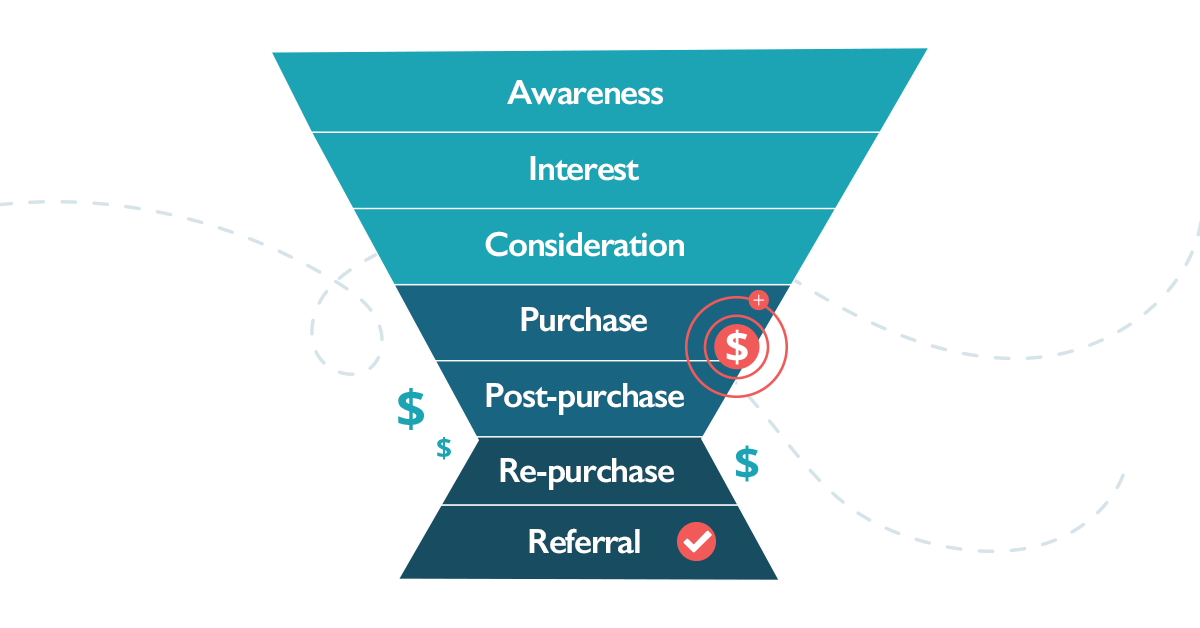
These days, I can tell you a lot more about how to conduct keyword research and optimize your website. I can help you define your buyer personas and demonstrate how you provide value to them at every stage of the buying process. I can help you identify gaps in conversion funnels and I can strategically plan for both short-term wins and long-term, sustainable success.
But there’s also still a lot that I need and want to learn; marketing is ever-evolving. I’m convinced that Uhuru is the best place to make that happen.
How Can You Grow Your Digital Marketing Career?
As marketers, it’s easy to become overwhelmed by all the different tactics and new things to learn. You’re also working directly with clients who depend on you to drive revenue for their businesses, so learning on the fly becomes a necessary risk. No pressure!
My best advice is to just … be okay with not knowing.
As we say here at Uhuru, the glass is already broken. There’s always going to be a better way to do things, we’re always going to make mistakes, there’s always something new to learn. But if we look at that broken glass as an opportunity — instead of a challenge or failure — then we can set goals and work toward them.
As we’ve seen in the last year, it’s more important than ever to keep learning. Our industry is changing rapidly and that won’t ever stop. But we also have an enormous wealth of knowledge available to us, both from our fellow marketers and our clients. And as the definition of “marketer” becomes ever wider, we have to learn from everyone on the team to get better at what we do.
Test, fail, iterate. Get in the arena. Get your ass kicked, and keep going. You won’t learn without trying, and you can’t be successful without failure. I promise it’s worth it.
If you want to learn more about working at Uhuru, check us out. We can’t wait to meet you.